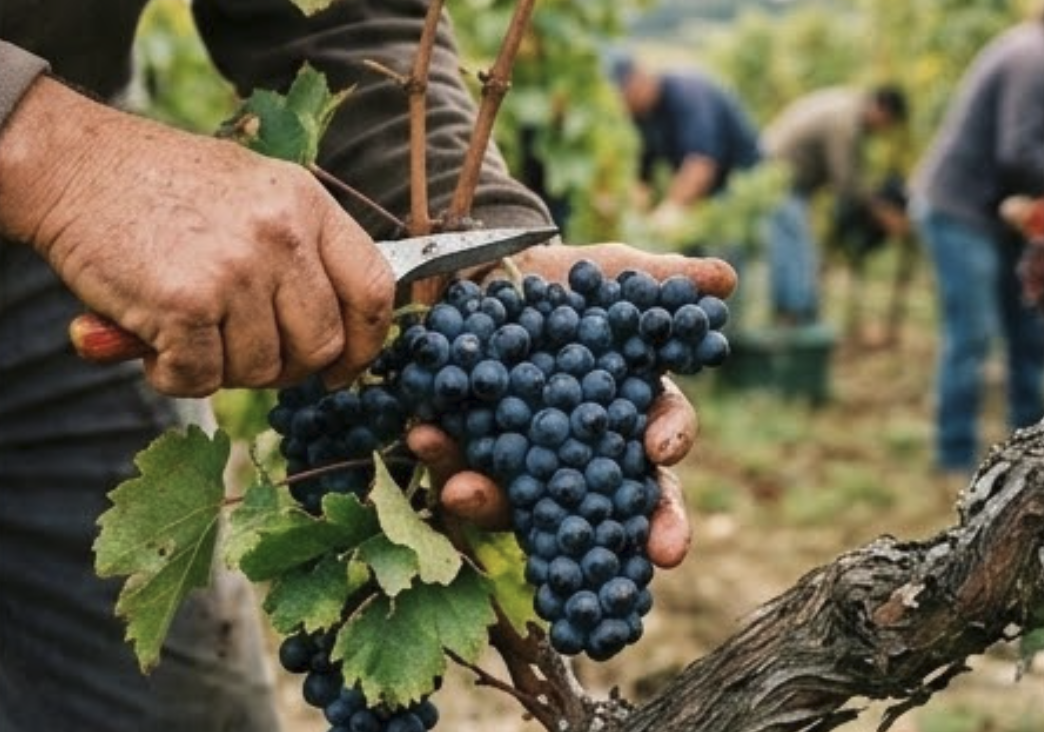
Choć Polska nie jest powszechnie kojarzona z produkcją wina, w ostatnich latach krajowe winiarstwo dynamicznie się rozwija. Powstaje coraz więcej niewielkich gospodarstw, które specjalizują się w uprawie winorośli i wytwarzaniu win o unikalnych walorach smakowych. Winnice można znaleźć między innymi na Podkarpaciu, w Małopolsce, na Dolnym Śląsku oraz w województwie lubuskim.
Produkcja wina w polskich warunkach klimatycznych stanowi jednak spore wyzwanie. Chłodne zimy, przymrozki wiosenne i zmienne temperatury mogą negatywnie wpływać na rozwój winorośli oraz jakość zbieranych owoców. Dlatego winiarze starannie dobierają odmiany odporne na niskie temperatury i dostosowują metody uprawy do lokalnych warunków. Najlepiej sprawdzają się odmiany wcześnie dojrzewające i stosunkowo odporne na mróz, takie jak Solaris, Johanniter czy Seyval Blanc, wykorzystywane przede wszystkim do produkcji win białych. Wśród odmian czerwonych uprawia się między innymi Rondo i Regent, z których można uzyskać wina o owocowym aromacie i wyrazistym charakterze. Ze względu na krótszy okres wegetacyjny oraz ryzyko przymrozków winiarze muszą starannie planować uprawę i termin zbiorów. Polskie warunki sprzyjają często produkcji win o wyraźnej kwasowości, świeżym aromacie i umiarkowanej zawartości alkoholu. Nie oznacza to jednak, że jedna odmiana jest najlepsza dla całego kraju, o powodzeniu uprawy decydują również lokalizacja winnicy, rodzaj gleby, nasłonecznienie oraz pogoda w danym roku.
Proces produkcji obejmuje kilka etapów: zbiór winogron, ich tłoczenie, fermentację, a następnie dojrzewanie i butelkowanie gotowego produktu. Na każdym z tych etapów producent musi kontrolować jakość surowca i przebieg procesu technologicznego. Coraz większą rolę odgrywają także nowoczesne rozwiązania, które pozwalają ograniczyć straty i uzyskać bardziej powtarzalne rezultaty.
Polskie winiarstwo ma również potencjał turystyczny. Degustacje, zwiedzanie winnic i poznawanie lokalnych tradycji przyciągają osoby zainteresowane enoturystyką. Mimo że rodzimi producenci nadal konkurują z uznanymi regionami winiarskimi Europy, rosnące zainteresowanie produktami regionalnymi stwarza im nowe możliwości. Przyszłość tej branży będzie zależeć między innymi od umiejętności dostosowania się do zmian klimatycznych, utrzymania wysokiej jakości oraz skutecznego promowania polskich win.
Wine production in Poland – tradition and new opportunities
Although Poland is not widely associated with wine production, the country’s wine industry has been developing rapidly in recent years. An increasing number of small-scale wineries are being established, specialising in growing grapevines and producing wines with distinctive flavour profiles. Vineyards can be found in regions including Podkarpacie, Małopolska, Lower Silesia and the Lubusz Voivodeship.
Producing wine in Poland’s climatic conditions nevertheless presents considerable challenges. Cold winters, spring frosts and fluctuating temperatures can adversely affect vine growth and the quality of the grapes harvested. Winegrowers therefore select grape varieties that are resistant to low temperatures with great care and adapt their cultivation methods to local conditions. Early-ripening, relatively frost-resistant varieties such as Solaris, Johanniter and Seyval Blanc are particularly well suited to these conditions and are used primarily to produce white wines. Among the red varieties grown in Poland are Rondo and Regent, which can produce wines with fruity aromas and a distinctive character. Given the shorter growing season and the risk of frost, winegrowers must plan cultivation carefully and choose the timing of the harvest with precision. Polish conditions often favour the production of wines with pronounced acidity, fresh aromas and moderate alcohol content. However, no single variety is best suited to the entire country: the success of cultivation also depends on the vineyard’s location, soil type, exposure to sunlight and the weather in any given year.
Wine production involves several stages: harvesting the grapes, pressing them, fermentation, and then ageing and bottling the finished product. At every stage, producers must monitor the quality of the raw materials and control the production process. Modern techniques are also playing an increasingly important role, helping to reduce losses and achieve more consistent results.
Polish winemaking also has considerable potential as a tourist attraction. Wine tastings, vineyard tours and opportunities to discover local traditions draw visitors interested in wine tourism. Although Polish producers still compete with Europe’s established wine-growing regions, growing interest in regional products is creating new opportunities for them. The future of the industry will depend, among other things, on its ability to adapt to climate change, maintain high standards of quality and promote Polish wines effectively.
ĆWICZENIA DO TEMATU
- Słownictwo C1 (Uprawa winorośli)
- Czytanie C1 (Produkcja wina w Polsce)
- Mówienie B2 (Wino)
KLUCZ DO ĆWICZEŃ
- Słownictwo C1 (Uprawa winorośli):
A. 1-J, 2-N, 3-A, 4-L, 5-B, 6-K, 7-I, 8-C, 9-H, 10-D, 11-G, 12-F, 13-E, 14-P, 15-M, 16-O
B. 1-dzierżawy, 2-fermentacji, 3-tłoczni, 4-etykietowania, 5-plon, 6-pochodzenia - Czytanie C1 (Produkcja wina w Polsce)
1-E, 2-C, 3-A, 4-O, 5-F, 6-I, 7-H, 8-M, 9-G, 10-L, 11-J, 12-K, 13-N, 14-D, 15-B